How to Build Active Flexibility
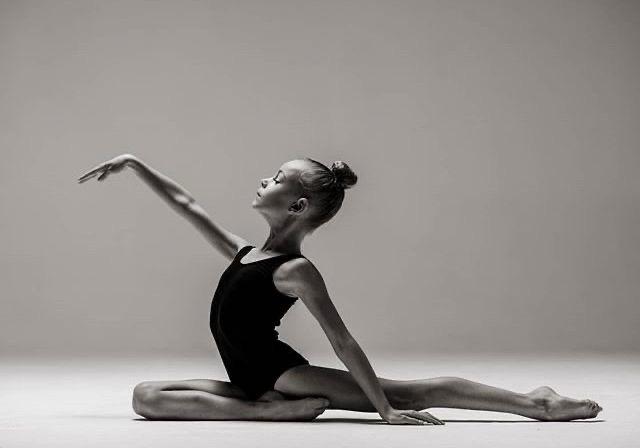
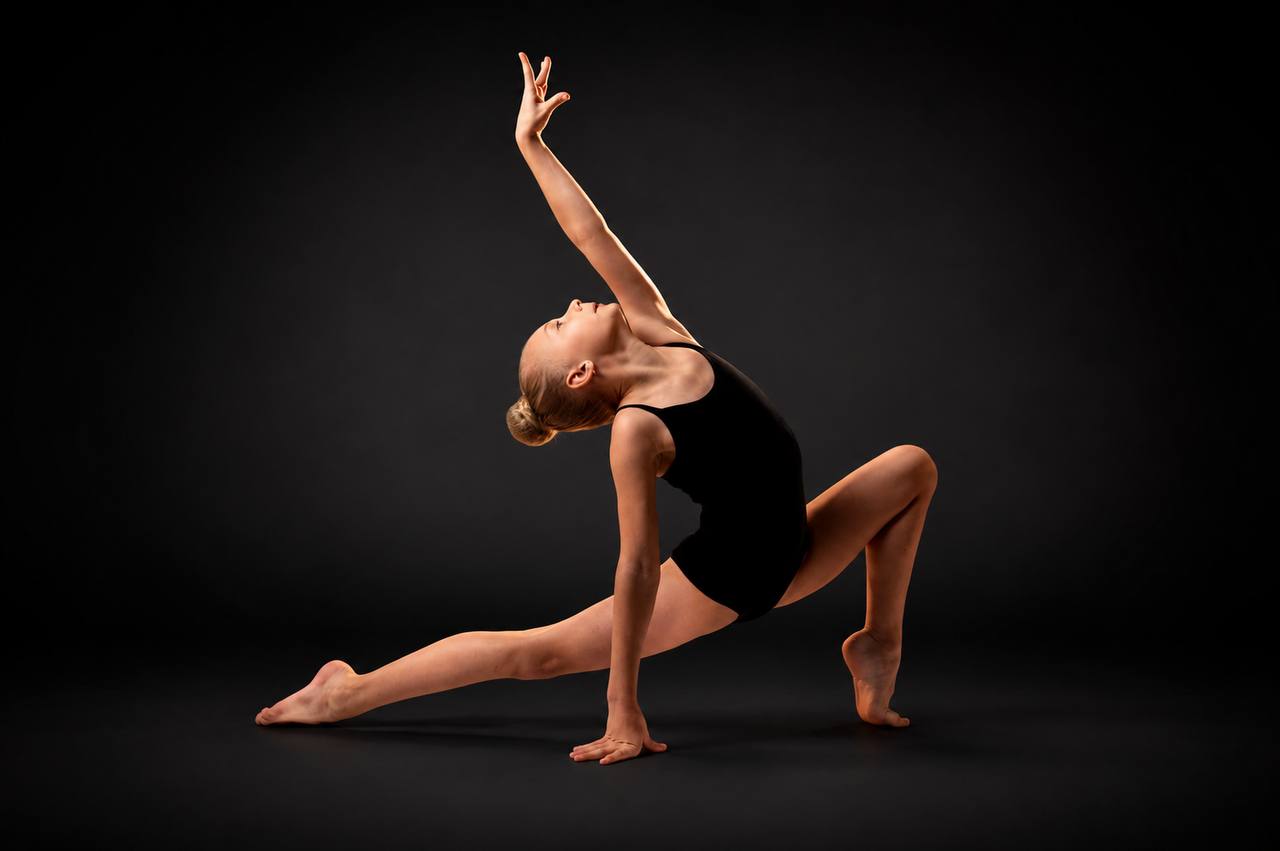
Active flexibility is the ability to move into a range of motion and control it using strength. It’s what allows dancers and athletes to not only reach positions, but to hold, transition, and perform in them with stability and precision.
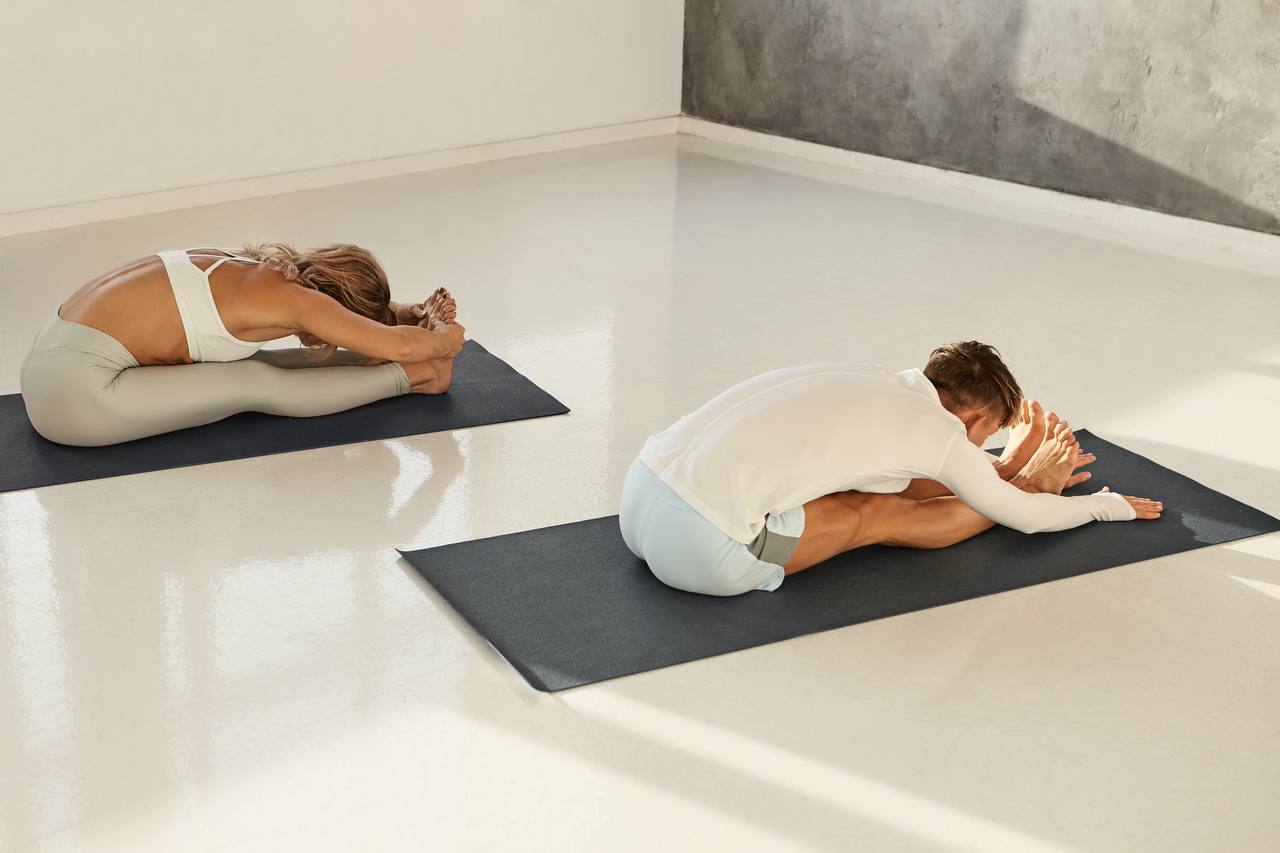
Unlike passive stretching, which relies on external force or relaxation, active flexibility trains the body to own the range. This is what creates usable, performance-ready movement.
Understand the difference first
Passive flexibility: You are placed into a stretch (floor, partner, gravity)
Active flexibility: You lift, hold, and control that same range using your own strength
Both are useful — but only active flexibility translates directly into skills, balance, and controlled movement.
Step 1: Build strength in extended positions
Flexibility becomes functional when strength exists inside the range.
Instead of only stretching higher extensions, the focus shifts to:
Lifting and holding the leg without assistance
Controlling slow movement in and out of end range
Working against gravity in extended positions
This is where stability starts to develop.
Step 2: Train control, not just range
A key difference in active flexibility training is tempo and precision.
Slow, controlled repetitions teach the body how to:
Stabilize joints in extended positions
Reduce momentum and compensation
Maintain alignment under load
The goal is not how high or deep you can go — but how cleanly you can control it.
Step 3: Integrate core and supporting muscle groups
Active flexibility is never isolated to one muscle group. It requires coordination through the entire system.
Core strength, pelvic control, and supporting muscles all determine whether a position is stable or collapsing. Without this integration, range becomes unstable and inconsistent.
Step 4: Progress from assisted to unassisted work
Most athletes begin with support — bands, bars, or floor assistance — but progress must move toward independence.
A strong progression might look like:
Assisted lifts and holds
Partial support with controlled lowering
Full unassisted holds and transitions
This transition is where true active flexibility develops.
Step 5: Connect flexibility to movement patterns
Active flexibility is not a static goal. It must transfer into skills.
That means training:
Extensions into jumps and turns
Leg lines into balances and transitions
Mobility into dynamic sequences
When flexibility is integrated into movement, it becomes reliable under performance conditions.
Final thought
Active flexibility is not about being “more flexible.” It is about being more in control of your flexibility.
When strength, alignment, and control are trained together, range of motion stops being passive — and becomes a tool for precision, performance, and longevity.