Why Flexibility Training Alone Is Not Enough for Dancers and Athletes
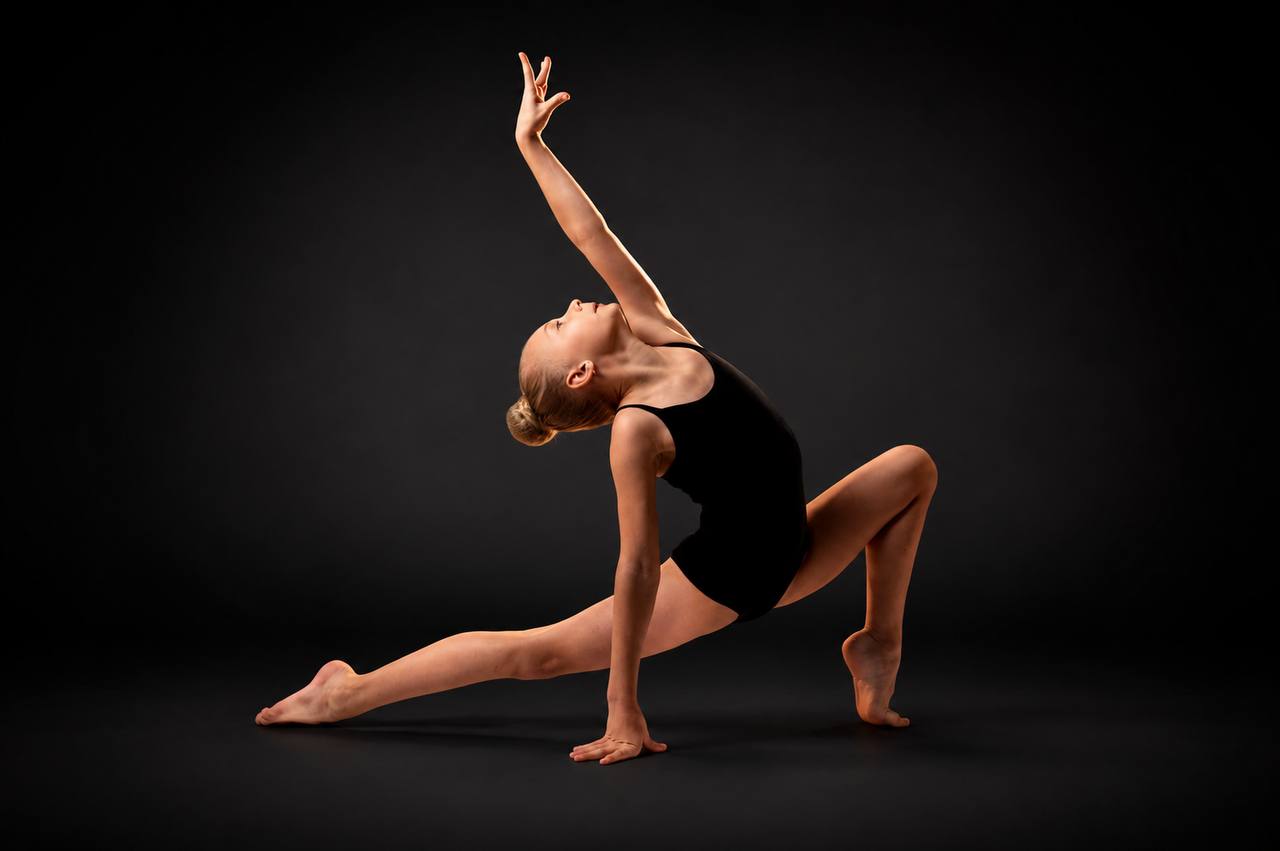
Flexibility is often seen as the foundation of dance and athletic performance. The ability to move through a large range of motion is visually impressive and essential for many skills. However, flexibility on its own does not create safe, controlled, or sustainable movement.
To truly support performance, flexibility needs to be developed alongside strength, control, and alignment. Without this balance, range of motion becomes passive rather than functional — and that is where limitations and risks begin to appear.
Flexibility without control is not usable range
Many dancers and athletes can achieve deep stretches or advanced shapes, but struggle to actively hold or move through those positions with stability. This happens when flexibility is trained in isolation.
Active movement requires the body to control range, not just access it. Without strength in extended positions, skills such as extensions, balances, and jumps lose precision and consistency.
Strength defines how you use your flexibility
Flexibility allows the body to reach positions. Strength determines whether you can control them.
When strength is not developed within the same range that is being stretched, the body relies on passive structures rather than muscular support. Over time, this creates imbalance between mobility and stability, limiting technical progress.
Alignment is what makes movement efficient
Range of motion is only useful when it is organized through proper alignment. Without alignment awareness, increased flexibility can lead to compensation patterns, inefficient technique, and unnecessary strain on joints.
Good alignment ensures that movement is not only possible, but also controlled, efficient, and repeatable under pressure.
The missing link: integration
The most effective training approaches do not separate flexibility, strength, and technique. They integrate them.
This means:
Developing strength inside range, not only outside it
Training control in extended positions
Reinforcing alignment throughout movement patterns
Progressing skills through structured, layered work
This integrated approach is what transforms flexibility into performance ability.
What this means for dancers and athletes
For dancers and athletes, flexibility should never be the end goal. It is a tool — one part of a larger system that supports skill execution, artistry, and athletic performance.
Without strength and control, flexibility remains limited. With them, it becomes functional, expressive, and reliable.
True progress happens when the body is trained as a system, not in separate parts.